> For the complete documentation index, see [llms.txt](https://docs.bottalk.io/docs/llms.txt). Markdown versions of documentation pages are available by appending `.md` to page URLs; this page is available as [Markdown](https://docs.bottalk.io/docs/onboarding/create-an-organization.md).
# Create an Organization
Create a workspace to manage your projects with your team.
## Create your Organization
An Organization is a collaboration workspace that allows you to manage your Text-to-Speech projects with your team members.
{% hint style="info" %}
1. BotTalk will ask you to create an organization after [your first login](/docs/onboarding/create-bottalk-account.md).
2. Give your Organization a name and click the **Save changes** button.
3. Go to your account in the top right corner. There you will find your organization settings. Now you can start managing your organization.
{% endhint %}
## Invite Coworkers to Your Organization
To work on projects together you can invite your coworkers to your organization.
{% hint style="info" %}
1. Go to your organization settings in the top right corner.
2. In the **ADD MEMBER** section, fill out the email of your coworker's BotTalk account and select a [role](#organizational-roles).
3. Send the invite link.
4. Your colleague's name should appear in the Members list with the status **INVITED**
{% endhint %}
You will get an error if your colleague does not have a BotTalk account. Now your team member will get an email with an invitation link.
{% hint style="success" %}
Once your colleague confirms the invitation, the status in your Organization management settings should change to **ACTIVE***.*
{% endhint %}
## Organization Roles
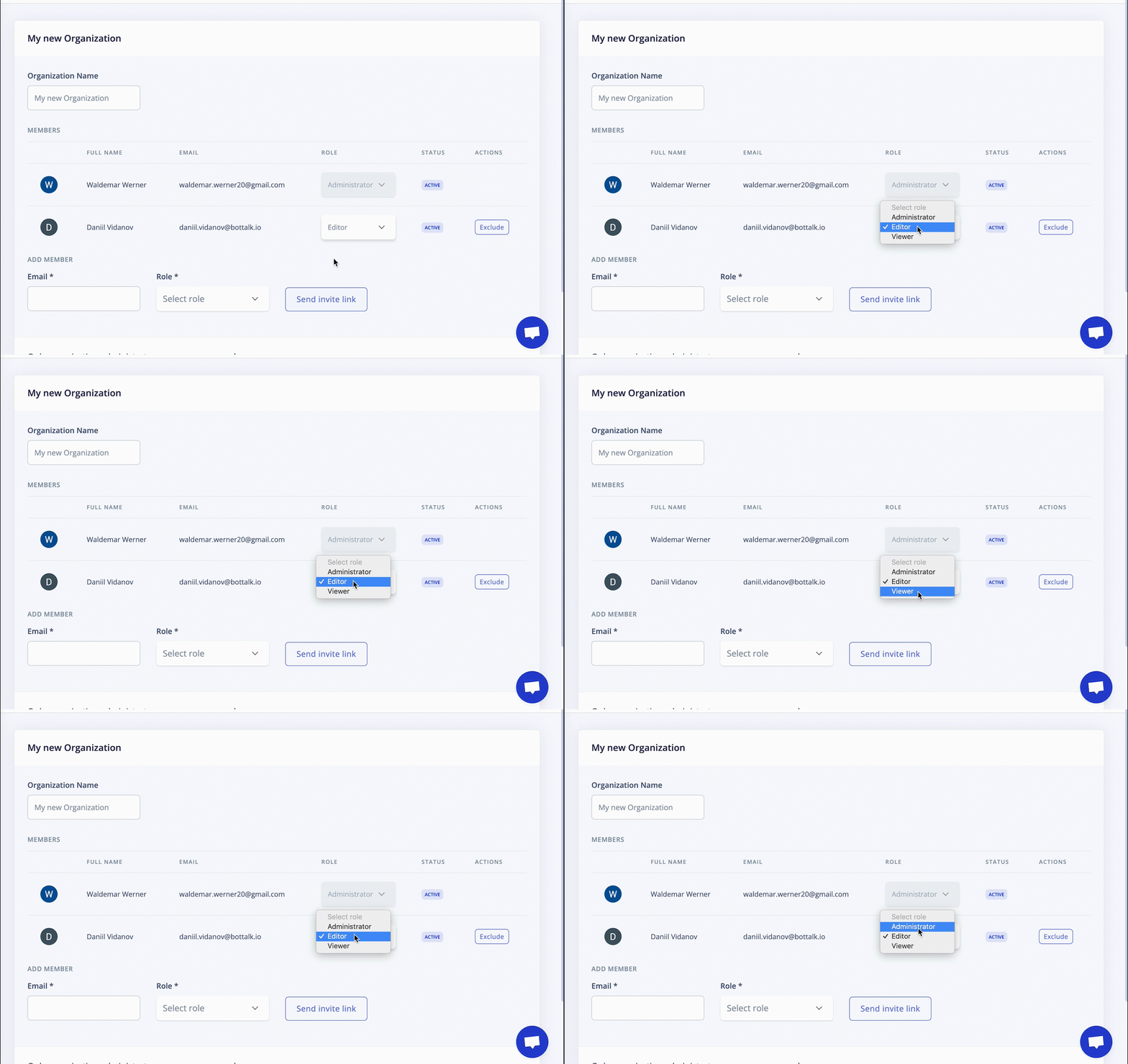
You can always change the role of your organization members in your organization settings:
* **Administrators** have all the same rights as you. They can add and exclude users. Also, they can delete BotTalk projects, articles, dictionaries, etc.
* **Editors** have limited access. They can change project settings, edit
articles and dictionaries. But they have no destructive powers: they can't delete whole projects, for example.
* **Viewers** can only observe items inside your organization. They can open articles and listen to them.
{% hint style="info" %}
Once you no longer need to collaborate with the user, you can revoke all the rights. You do so by clicking **Exclude** button.
{% endhint %}
## FAQs
How to move my private project to an organization
[Here](/docs/text-to-speech/configure-your-project/organization-access-settings.md) you can learn how to move your private project to an organization.
##